The Eave Before the Leap
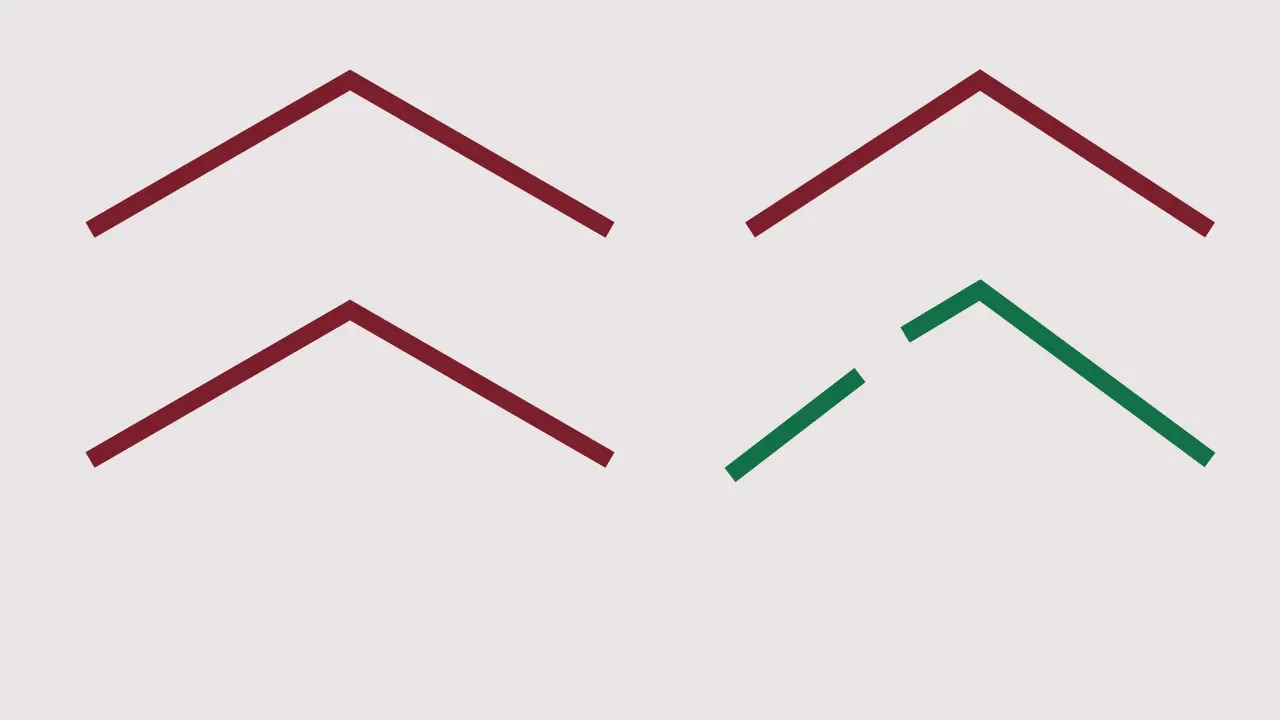
The second roof in Heron Roofs starts below the one the traveler is standing on. From a distance, their ridges line up in the ink drawing. A player can mistake them for a single level and trace a jump toward the wrong tiles. The test asks what a painter can do with the first edge the eye meets before the player selects a route.
Set two versions beside one another
Use the same roof, camera and position of the traveler. In the first image, a continuous dark line follows the underside of the awning from the staircase to the tea shop. It reads as a section of roof. In the second image, let the line break at the corner where the lower tiles begin. The break makes an opening that its own shadow cannot fill. The aim is to let someone point to the nearer roof even before they understand where it leads.
Keep the surrounding wash consistent while you change this line. A brighter background alone can improve the visibility of both roofs without distinguishing which one is near. A shorter shadow at the edge can also make two planes look unrelated. The test needs enough drawing context for a player to understand they are looking at one crossing with two landings, rather than two drawings that happen to use similar tiles.
Ask about the route before showing the hint
Begin with the traveler standing on the copper ridge. Ask the player to point to the places they expect to reach. Then let them select the ridge and show the route preview. If the player mistakes a lower tile for the ridge beside it, note where their eye had been. A stronger stroke at the actual eave may help more than increasing the opacity of the preview. The preview should verify a reading the place has already made possible.
Repeat the choice from the awning itself. From there, the high landing should still be visible as a high place. If the distinction vanishes when the camera lowers, there may be a missing edge in the roof shape rather than a problem with paint. A clear corner, an exposed patch of sky, and the bottom line of a tiled slope can each communicate the edge without adding another movement effect.
After the traveler commits
Track where the camera settles once the traveler has arrived. The old route can remain visible in the background even though the new task is to observe the courtyard. Use the familiar outline of the closed gate as a point of reference. If the landing and the first courtyard frame seem to occur in different places, the player may infer a hidden movement. They should be able to follow their route to the ground while keeping their attention on what the rival now appears to know.
In the same test, compare a loud landing above the gate with a lower approach around the bend. After each choice, ask where the rival thinks the traveler stands. If an answer follows only the color of a marker, the scene may need a clearer direction cue rather than a brighter brush. A disappearing outline can also hide the information that a player used to explain the decision.
What to carry forward
Keep a pair of drawings at the same scale and write down the edges each player recognized. The concept can then test those cues against a different courtyard. For a study of density on other parts of the scene, see Ink Left on the Page. The first grove encounter in Hollow Reed tests whether a small interruption in a drawing can identify a moving figure with the same economy.