Ink Left on the Page
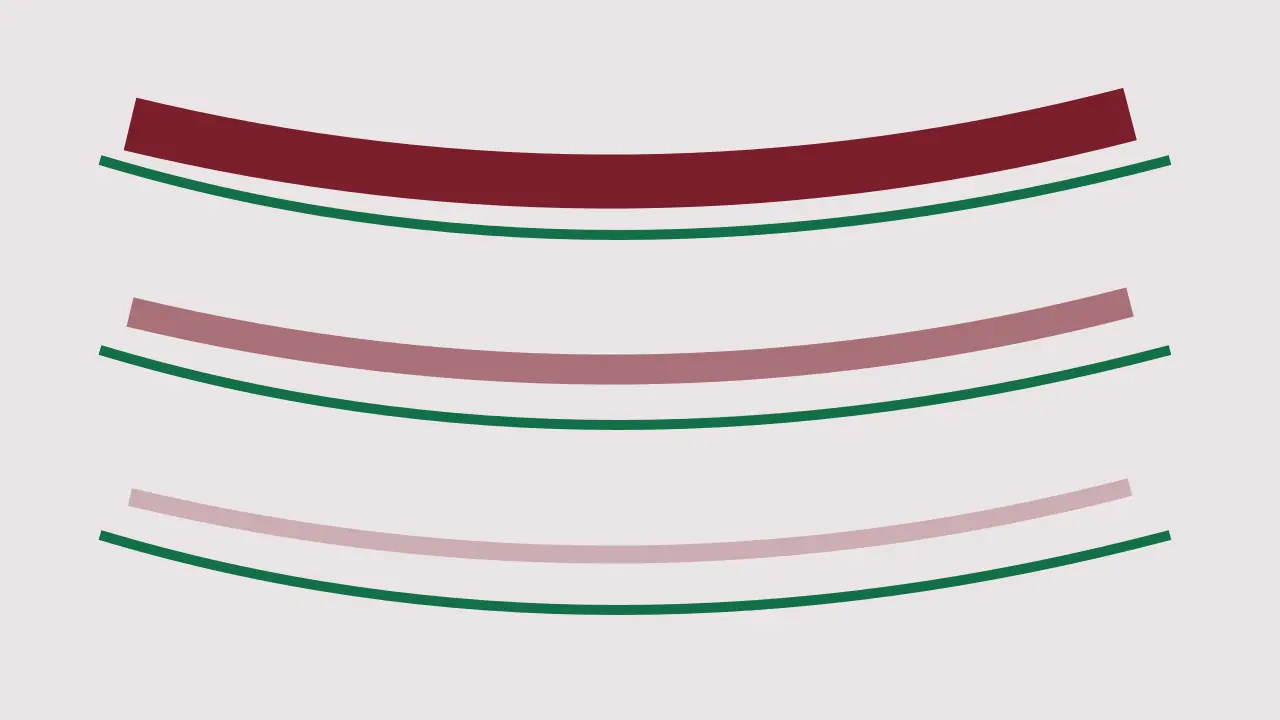
A roof in Heron Roofs has a dark near edge and a complicated row of tiles. The row is attractive on a still page. It can also make the useful edge look like one line among many. The art test compares ways of leaving enough ink to identify the place while reserving the strongest strokes for those that describe a path. A quieter sheet should hold as much useful information as the first drawing.
Keep the route on its own layer
Start with the traveler, the two landings and the wall that hides the lower courtyard. Draw a route only after those silhouettes read on their own. Where a tile ridge faces the camera, leave a short contour that follows its usable edge. Where a surface drops out of sight, allow the wash to end against the background. The player should be able to see which contour belongs to solid ground before the route marker appears.
Take one line out of the drawing and compare it again at game size. Removing the long dark ridge can help the lower landing stand out while also making the upper roof appear flat. A smaller change is to retain the ridge near the traveler and let it fade before the next edge. This preserves evidence of height and makes the place where the silhouette changes easier to notice. Read both drawings without the protagonist when testing whether the background itself supports a route.
Separate depth from attention
The grove in Hollow Reed uses a broader wash and narrower markings around its nearest leaves. The two areas carry different jobs. Pale background color establishes what is distant. The shift of a small clump of leaves indicates where a figure moved. A foreground tree can be dark without implying that it deserves immediate attention, provided its edges remain stable as the scene changes.
Compare a single frame during a pause with the frame just after it. If the moving leaves become readable only because all the distant foliage disappears, the scene may be asking the environment to do too much. Keeping faint background detail makes the shape of the clearing available when the movement finishes. Lower the contrast of only the distant leaves that compete with the signal. Preserve the path edges and rocks that anchor the viewer.
Study the smaller view
On a narrow display, the grain of the paper can produce patterns that compete with small gaps. Keep the paper texture present but less prominent where the roofing line bends. Review a drawing at the approximate size used by the game preview. Ask the same questions about ground and possible movement that you asked on a larger screen. A line that does useful work at one scale and vanishes at another should have another supporting cue.
Check the images in grayscale as well as the intended palette. Burgundy can call attention to a signal without being the only way to distinguish it. Use changes in direction, spacing, and the continuity of an edge. A player who follows a route by contour is more likely to recognize the same route when the camera moves.
Record what the mark is for
Keep the crop and scale matched between versions.
Write a short caption for each drawing that names the edge it tests and the choice that depends on it. It should be possible to retell the test after the picture has been put away. Compare The Eave Before the Leap, which uses the same contrast at a roof transition. Keep the versions together so a later test can see the cost of each change, including any lost depth or misleading gap.